New Delhi | May 3,2026 | SKY LINK TIMES
Mission Drishti Launch:
Prime Minister Narendra Modi on Sunday hailed “Mission Drishti” as a landmark achievement in India’s space journey, following the successful launch of the world’s first OptoSAR satellite by Bengaluru-based startup GalaxEye. He described the mission as a reflection of the country’s growing technological strength and the innovative spirit of its youth.
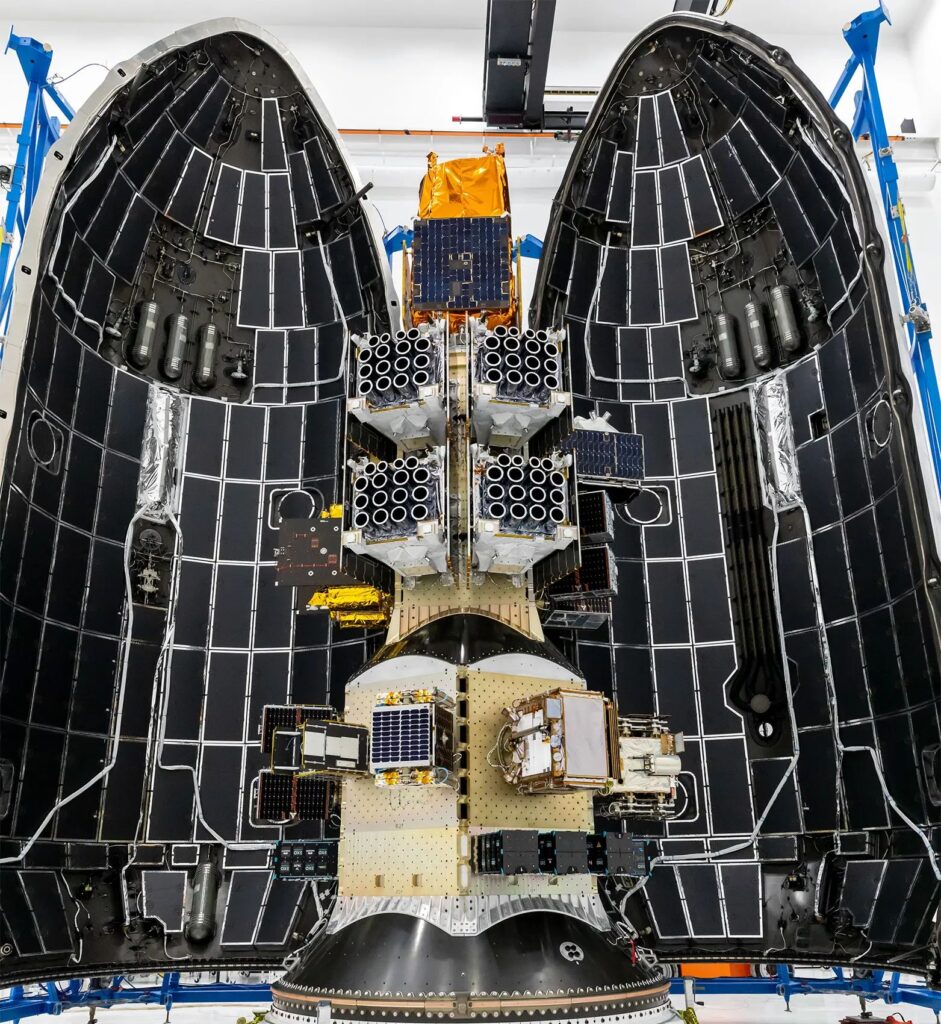
Table of Contents
PM Modi Applauds Youth-Driven Innovation
In a post on social media platform X, the Prime Minister congratulated the team behind the project, calling it a “major achievement” that underscores India’s expanding capabilities in space technology.
“Mission Drishti by GalaxEye marks a major achievement in our space journey. The successful launch of the world’s first OptoSAR satellite and the largest privately-built satellite in India is a testament to our youth’s passion for innovation and nation-building,” PM Modi said.
He also extended his best wishes to the founders and the entire team of GalaxEye for the successful execution of the mission.
A Major Milestone in Space Technology
Mission Drishti involves the launch of “Drishti,” the first commercial satellite developed by GalaxEye. The satellite was placed into orbit aboard a Falcon 9 rocket, marking a significant step forward for private participation in India’s space sector.
Weighing approximately 190 kilograms, Drishti is the largest privately developed Earth observation satellite in India. It is also the first satellite in the world to integrate Electro-Optical (EO) and Synthetic Aperture Radar (SAR) technologies into a single operational platform.
What Makes OptoSAR Unique?
The satellite features GalaxEye’s proprietary “SyncFused OptoSAR” payload, which combines optical imaging with radar capabilities. This integration allows the satellite to capture high-resolution images under all weather conditions, both during the day and at night.
While traditional optical satellites are limited by cloud cover and darkness, radar-based systems can penetrate clouds, smoke, and rain. By combining both technologies, the Drishti satellite ensures uninterrupted and reliable Earth observation data.
Also Read:https://skylinktimes.in/nasas-bold-3-step-plan/
Boost to India’s Space Ecosystem
The successful launch of Mission Drishti highlights the rapid growth of India’s private space sector and its increasing role in global space innovation. It also demonstrates how startups are contributing to advanced technological development alongside established institutions.
The mission is expected to enhance capabilities in areas such as disaster management, agriculture monitoring, urban planning, and national security by providing consistent and accurate imaging data.
Strengthening India’s Global Space Presence
With this achievement, India continues to strengthen its position in the global space industry. Officials and experts believe that innovations like OptoSAR technology could open new avenues for commercial and strategic applications worldwide.
Mission Drishti stands as a powerful example of how innovation, entrepreneurship, and scientific advancement are shaping the future of India’s space ambitions.
For More Info Stay Tuned: https://skylinktimes.in