New Delhi | April 14,2026 | SKY LINK TIMES
India-Australia Talks on West Asia Crisis:
India’s External Affairs Minister S. Jaishankar held a telephonic conversation with his Australian counterpart Penny Wong on Tuesday, discussing the ongoing conflict in West Asia and its broader global implications. The talks come at a time of heightened tensions in the region following stalled diplomatic negotiations.
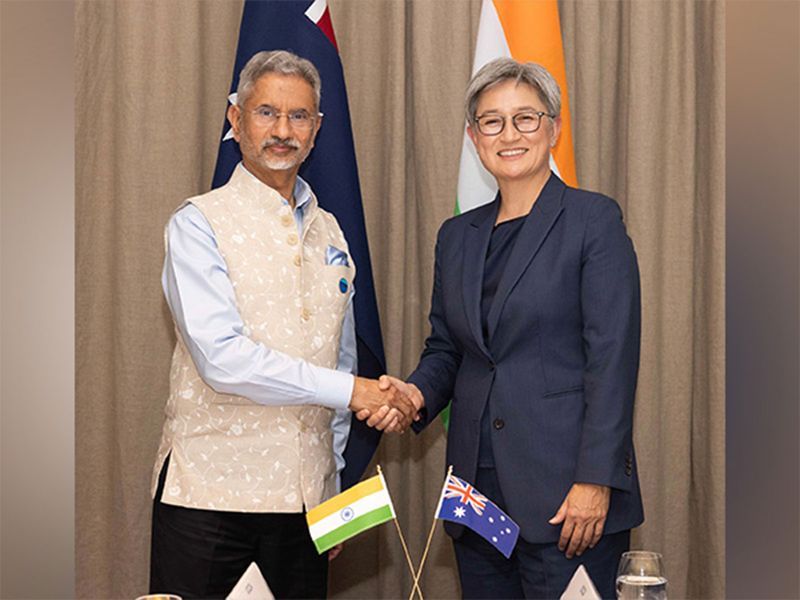
Table of Contents
India-Australia Dialogue on West Asia
Taking to social media platform X, Jaishankar described the interaction as a valuable exchange of views on the evolving situation. The discussion reflects India’s ongoing diplomatic outreach to key global partners as the crisis continues to unfold.
The conflict has intensified after negotiations between the United States and Iran failed to yield a lasting agreement, raising concerns over regional stability and global security.
Background of the Conflict
The current escalation traces back to February 28, when joint US-Israel strikes in Iran led to the killing of top leadership, including Iran’s Supreme Leader. In response, Iran launched missile and drone attacks targeting Israel, US bases, and allied nations in the region.
Although a temporary two-week ceasefire was agreed upon on April 8, the situation remains fragile, with tensions persisting across West Asia.
India’s Diplomatic Engagements
In addition to his conversation with Australia, Jaishankar also spoke with Israel’s Foreign Minister Gideon Sa’ar earlier in the day. Their discussion focused on various aspects of the conflict, including the strategic importance of the Strait of Hormuz.
The Strait of Hormuz is a crucial global oil transit route, connecting the Persian Gulf to the Arabian Sea and carrying nearly one-fifth of the world’s oil shipments. Any disruption in this region could have significant implications for global energy markets, including India.
Also Read:https://skylinktimes.in/bharatiya-janata-party-issues-3-line-whip-for-mps/
Strategic Concerns Over Strait of Hormuz
During the conversation, the Israeli side emphasized the importance of preventing Iran from acquiring nuclear weapons and ensuring freedom of navigation in the Strait of Hormuz. Concerns were also raised about the potential impact of regional instability on the global economy.
For India, which relies heavily on energy imports, maintaining secure and open shipping routes in the region remains a top priority.
India’s Balancing Role
India has been actively engaging with multiple stakeholders amid the crisis, maintaining communication with governments in the region as well as key international partners. This reflects New Delhi’s balanced approach aimed at safeguarding its strategic and economic interests while supporting efforts for regional stability.
As tensions in West Asia continue to evolve, India’s diplomatic outreach underscores its growing role in global geopolitics and its commitment to ensuring peace and stability in a critical region.
For More Info Stay Tuned: https://skylinktimes.in