Tehran | March 24,2026 | SKY LINK TIMES
Iran Slaps 2 Million Dollar Fee on Ships:
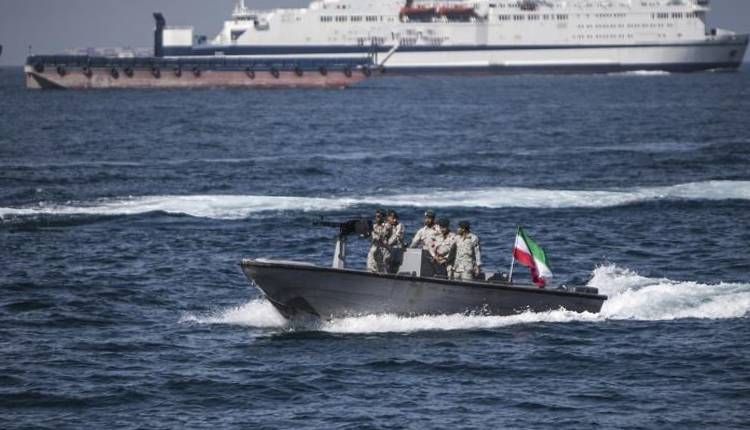
In a major escalation of geopolitical tensions, Iran has begun charging select vessels a 2 million dollar transit fee to pass through the strategically vital Strait of Hormuz. The move comes amid ongoing conflict involving the United States and Israel, raising fresh concerns over global shipping and energy security.
What the New Policy Means
Iranian authorities confirmed that the fee applies to certain ships, particularly those linked to countries Tehran considers adversaries. President Masoud Pezeshkian stated that the strait remains “open to everyone — except for Iran’s adversaries,” signaling a selective enforcement strategy.
According to Iranian lawmaker Alaeddin Boroujerdi, the policy reflects a shift toward what he described as a “sovereign regime” governing the waterway. He emphasized that the fee is intended to offset the economic burden of ongoing conflict, stating that “war has costs.”
Strategic Importance of the Strait
The Strait of Hormuz is one of the world’s most critical maritime chokepoints, handling nearly a fifth of global oil shipments. Any disruption or added cost in this corridor can have immediate ripple effects on global energy markets.
Despite imposing the fee, Iran’s Foreign Ministry has insisted that the strait remains open and that freedom of navigation is still respected. However, officials acknowledged that heightened military tensions have created a “dangerous situation” affecting maritime safety.
Rising Tensions and Military Threats
The announcement comes against the backdrop of escalating hostilities. Iran has accused the US and Israel of military aggression and claims it is acting in self-defense. Reports indicate that Tehran has targeted US military installations in the region.
Meanwhile, former US President Donald Trump issued a stark warning, stating that the United States could strike Iran’s power infrastructure if access to the strait is restricted. His comments have further intensified fears of a broader conflict.
Also Read:https://skylinktimes.in/sri-lanka-fuel-price-hike-25pc/
Global Impact and Concerns
Experts warn that the imposition of such a high transit fee could disrupt global shipping routes and potentially drive up oil prices. Shipping companies may be forced to reroute vessels or absorb increased costs, which could ultimately affect consumers worldwide.
The development also raises legal questions about international maritime law and whether Iran has the authority to impose such charges in a globally significant waterway.
Conclusion
Iran’s decision to impose a $2 million transit fee marks a significant shift in its approach to controlling the Strait of Hormuz. While the country maintains that the route remains open, the selective enforcement and geopolitical context suggest a new phase of strategic pressure that could reshape global trade dynamics in the coming weeks.
For More Info Stay Tuned: https://skylinktimes.in