Guwahati | January 5, 2026 | SKY LINK TIMES
IIT Guwahati Develops Sunlight Catalyst:
In a major scientific breakthrough that could accelerate India’s transition to clean energy, researchers at the Indian Institute of Technology (IIT) Guwahati have developed a novel sunlight-driven photocatalyst capable of converting carbon dioxide (CO₂) into methanol fuel. The innovation offers a promising solution to rising energy demands while tackling climate change and industrial emissions.
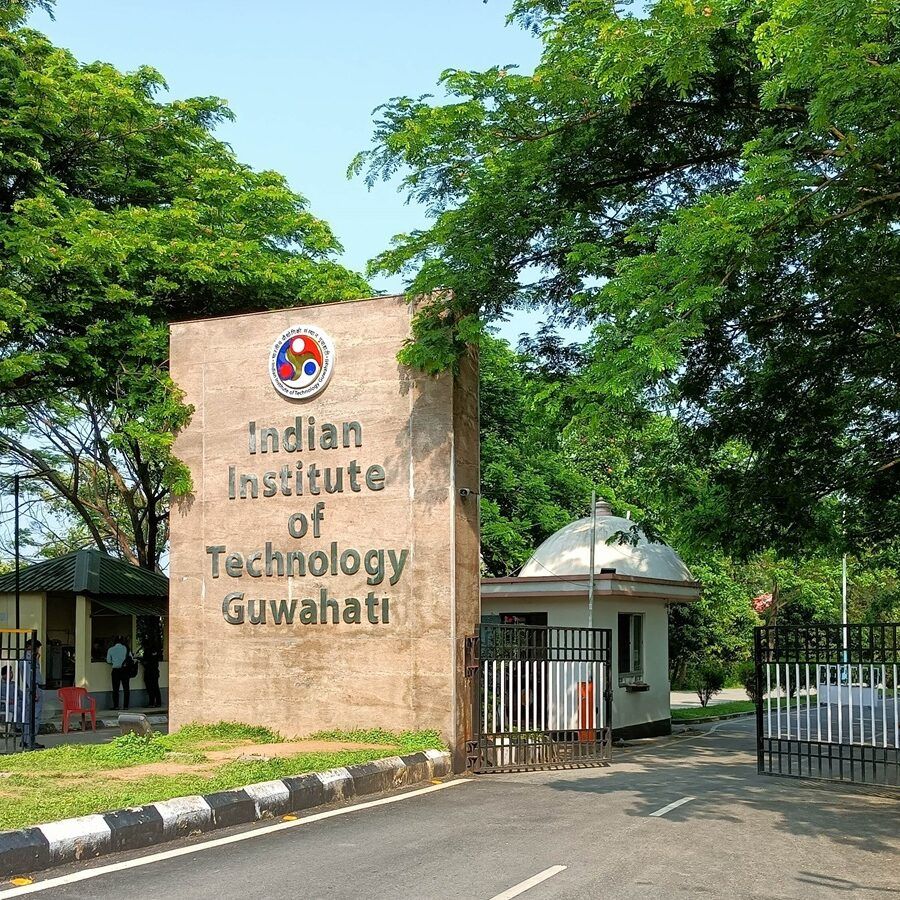
The study, published in the Journal of Materials Science, focuses on addressing one of the world’s most pressing challenges—how to meet growing energy needs without worsening environmental damage.
Table of Contents
Tackling Climate Change Through Green Energy
CO₂ emissions from petroleum-based fuels remain a major contributor to global warming and environmental stress. Converting this greenhouse gas into usable fuel using renewable solar energy represents a critical step toward a circular carbon economy.
According to Prof. Mahuya De, Professor in the Department of Chemical Engineering at IIT Guwahati, the research aims to mitigate environmental problems while simultaneously producing green energy.
“Converting CO₂ to greener fuel using solar energy is a promising technology towards this direction,” Prof. De said.
How the New Catalyst Works
Scientists worldwide have explored graphitic carbon nitride, a low-cost, metal-free and non-toxic material, for CO₂ conversion. However, its commercial use has been limited due to rapid energy loss and low fuel yield.
To overcome these limitations, the IIT Guwahati team combined graphitic carbon nitride with few-layer graphene, an ultra-thin carbon material known for its excellent electrical conductivity and energy transfer efficiency.
This hybrid structure significantly reduced energy loss within the catalyst, improving its performance under visible light and natural sunlight.
Also Read:https://skylinktimes.in/iit-bombay/
Higher Efficiency, Longer Stability
The study revealed that adding few-layer graphene enhanced the photocatalytic energy retention of carbon nitride, keeping the catalyst active for longer periods. This resulted in better light absorption, improved charge generation, and higher methanol production.
Among various compositions tested, the catalyst containing 15 weight percent graphene showed the highest efficiency in converting CO₂ into methanol. It also demonstrated strong stability, a crucial factor for real-world industrial applications.
Industrial Applications and Future Plans
The technology holds strong potential for use in thermal power plants, cement factories, steel manufacturing units, and petrochemical refineries, where large volumes of CO₂ are emitted daily.
Looking ahead, the research team plans to scale up the technology and develop a long-lasting photocatalytic system capable of converting industrial CO₂ emissions into clean fuels on a commercial scale.
If successfully deployed, the innovation could play a transformative role in India’s clean energy roadmap and global climate action efforts.
For More Info Stay Tuned: https://skylinktimes.in