New Delhi | Nov 21, 2025 | SKY LINK TIMES |
India’s intelligence and counter-terror operations have uncovered a massive two-front destabilisation plan, with investigators exposing how the ISI used separate modules in North and South India to trigger large-scale chaos. The busting of the Faridabad bomb plot and the South India ricin conspiracy has revealed the deep level of infiltration by Pakistan-backed groups.
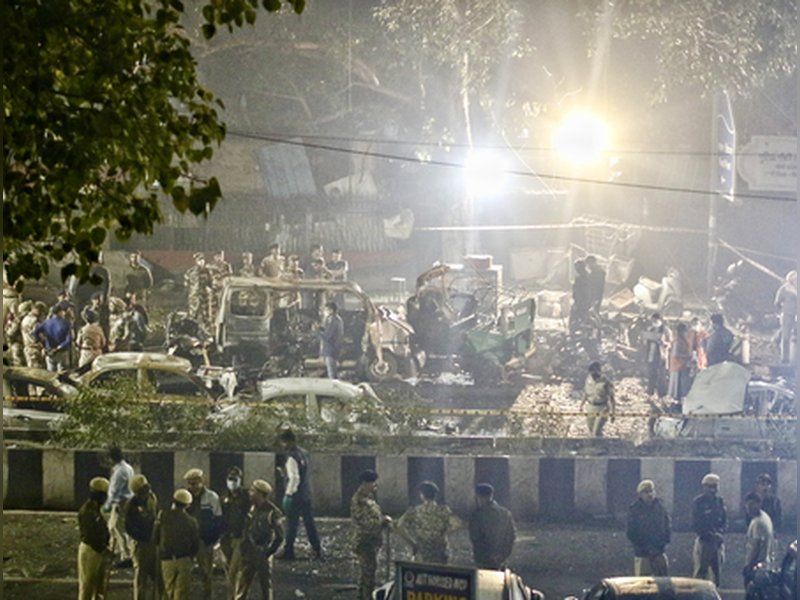
Table of Contents
3,000 kg Explosives Stockpiled for North India Attacks
The Faridabad module, connected to Jaish-e-Mohammad, was behind the Delhi Red Fort blast and had allegedly stocked nearly 3,000 kilograms of ammonium for future attacks. Officials say the scale of material recovered indicates an elaborate plan to carry out multiple explosions across North India.
Intelligence Bureau sources told that the handling of the module bears clear signatures of ISI guidance.
Ricin Terror Plot in South India: ISKP Module Uncovered
Simultaneously, another sophisticated terror conspiracy was unearthed by the Gujarat ATS.
Ahmed Mohiyuddin Saiyed, a 35-year-old Hyderabad resident, was arrested for allegedly plotting a ricin-based bioterror attack under the direction of Islamic State Khorasan Province (ISKP).
Investigators found that Saiyed had:
Purchased 10 kg of castor seeds
Extracted oil using a cold-press machine
Mixed ricin with acetone
Stored the lethal poison in a drum
Ricin is extremely potent, can cause death within 36–72 hours, and has no antidote.
The ATS is probing whether the plan involved poisoning water bodies, potentially causing mass casualties.
ISI’s North–South Strategy: Exploiting Fault Lines
According to IB officials, both terror modules—though linked to separate organisations—were acting on ISI instructions.
Pakistan’s strategy appears to focus on creating division by exploiting:
Religious fault lines in North India
Language-based tensions in South India
In South India, handlers repeatedly told Saiyed that the region must be “separated from North India”, attempting to weaponise the Hindi-imposition narrative often exploited by political groups.
Handlers Operating from Afghanistan
Both modules were reportedly managed by handlers based in Afghanistan, including an ISKP operative known as Abu Khadija, who guided Saiyed for months.
Authorities believe ISI used Afghan-based handlers to reduce direct traceability and bypass international scrutiny.
Also Read:https://skylinktimes.in/donald-trump-jr-to-visit-taj-mahal-today/
Major Disaster Averted
Counter-terror officials say that both plots were “large in scale and catastrophic in intent”.
While the Faridabad module aimed for serial blasts across the North, the ricin plot posed a more complex bioterror challenge with potentially far-reaching consequences.
Investigation Deepens Into Pakistan Link
Officials believe neither operation could have reached such a scale without institutional support from Pakistan.
India’s agencies are now examining financial trails, communication channels, and the broader network supporting these modules.
For More Info Stay Tuned:, https://skylinktimes.in