New Delhi | March 17,2026 | SKY LINK TIMES
Delhi to Build AIIMS-Style Super Medical Hub:
The Delhi government has proposed a major overhaul of its public healthcare system by integrating three major hospitals into a single AIIMS-style super medical hub, aiming to improve access to advanced treatment and reduce patient waiting times.
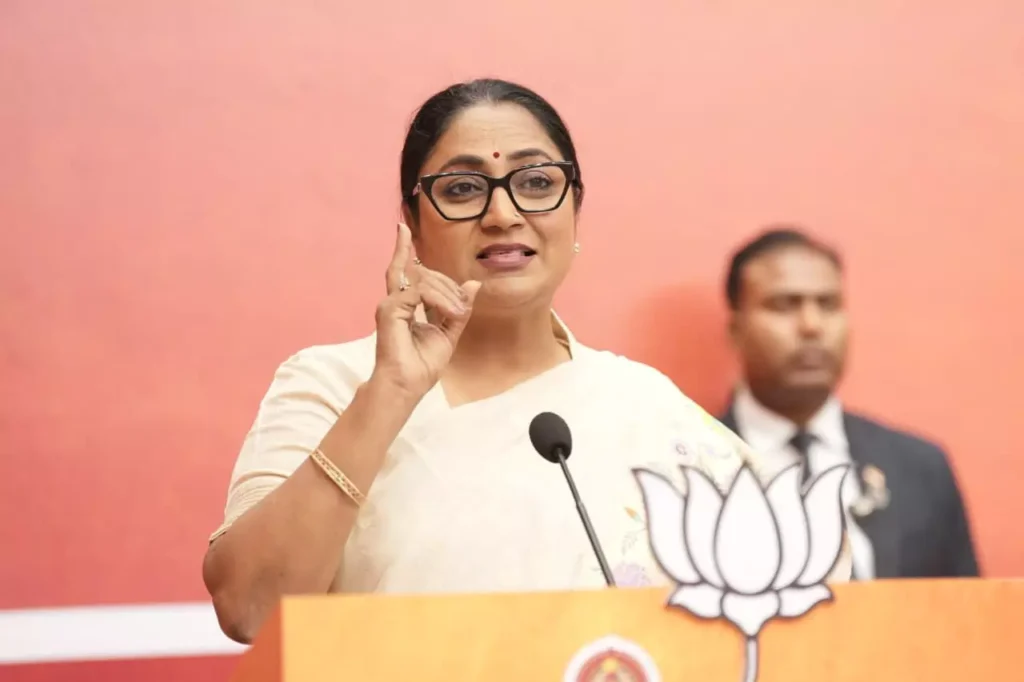
Delhi Chief Minister Rekha Gupta announced that Guru Teg Bahadur Hospital, Delhi State Cancer Institute, and Rajiv Gandhi Super Speciality Hospital will be integrated and developed into a modern healthcare institution modeled after the All India Institute of Medical Sciences (AIIMS).
The plan aims to provide better medical services, increase bed availability, and streamline patient care for millions of residents in Delhi and nearby regions.
Table of Contents
Vision for a Modern Healthcare Hub
In a social media post, Chief Minister Gupta said the integration will help transform the existing hospitals into an autonomous and empowered medical institution similar to AIIMS.
“This integration will increase bed availability, simplify tests and referrals, and reduce waiting times so that every patient can receive timely, fast, and better treatment,” she said.
According to the Chief Minister, the initiative is part of the Delhi government’s broader vision to strengthen public healthcare and make specialised treatment more accessible.
Addressing Uneven Patient Load
One of the key reasons behind the proposal is the uneven distribution of patients across hospitals in the city.
For example, Rajiv Gandhi Super Speciality Hospital has a sanctioned capacity of around 650 beds, but currently operates only about 250 beds, leaving nearly 400 beds unused.
In contrast, Guru Teg Bahadur Hospital, which has a sanctioned capacity of approximately 1,400 beds, is currently treating over 1,500 patients, highlighting the strain on its facilities.
By integrating these hospitals into a single system, the government aims to ensure better coordination, efficient use of resources, and balanced patient distribution.
Also Read:https://skylinktimes.in/india-targets-30b-dollar-medical-devices-market/
Improved Healthcare Services
The proposed super medical hub is expected to deliver several benefits for patients, including:
Faster diagnostic tests and referral processes
Reduced waiting times for treatment
Better access to specialised medical services
Improved coordination among healthcare departments
Optimal utilisation of hospital infrastructure
Officials believe the integrated model will also help create a comprehensive healthcare ecosystem similar to the structure of AIIMS, which combines specialised departments, advanced research, and high-quality patient care.
Strengthening Delhi’s Public Healthcare System
The move is seen as a significant step toward building a stronger and more reliable healthcare system in the national capital.
Once implemented, the integrated medical hub is expected to serve millions of patients from Delhi as well as neighbouring states, offering advanced treatment facilities under one system.
The Delhi government believes the initiative will not only improve healthcare quality but also make high-level medical services more accessible to the general public.
For More Info Stay Tuned: https://skylinktimes.in