New Delhi, February 27, 2026 | SKY LINK TIMES
Kejriwal-Sisodia Discharged in Liquor Policy Case:
In a significant development in the alleged Delhi excise policy case, a Delhi court on Friday discharged former Chief Minister Arvind Kejriwal and former Deputy Chief Minister Manish Sisodia, refusing to frame charges against them in the corruption case investigated by the Central Bureau of Investigation (CBI).
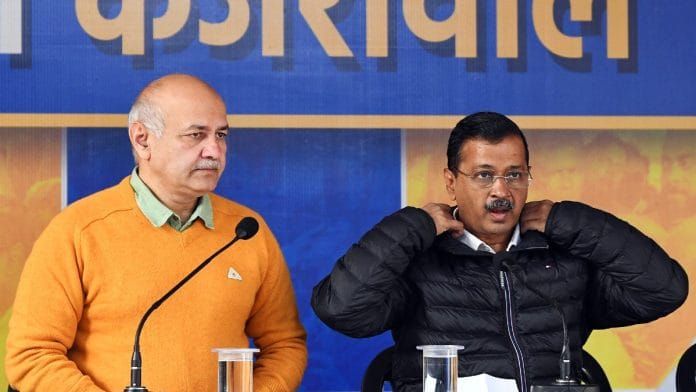
The ruling came from the Rouse Avenue Court, which observed that no sufficient evidence had emerged during the investigation to proceed against the accused.
Table of Contents
Court Finds No Sufficient Evidence
Allowing the plea for discharge, the court stated that the material on record did not disclose the commission of any criminal offence, including criminal conspiracy. The decision marks a major setback for the CBI, which had alleged corruption in the implementation of the Delhi government’s 2021–22 excise policy.
According to investigators, leaders of the Aam Aadmi Party (AAP), including Kejriwal and Sisodia, had allegedly accepted kickbacks from a cartel referred to as the “South Group” in exchange for policy concessions benefiting select liquor licensees. The agencies had also claimed that irregularities in licensing norms and pricing mechanisms resulted in significant losses to the public exchequer.
However, the court concluded that the evidence presented was insufficient to frame charges and proceed to trial.
Background: Arrests and Supreme Court Bail
Both Kejriwal and Sisodia were earlier arrested in connection with the case. In 2024, the Supreme Court of India granted bail to Kejriwal in the CBI corruption case, directing him to cooperate fully with trial proceedings and refrain from public commentary on the merits of the matter.
In a related money laundering case, the apex court had granted interim relief, emphasizing the primacy of the Right to Life and Personal Liberty under Article 21 of the Constitution.
Also Read:https://skylinktimes.in/uidai-and-google-join-hands/
Manish Sisodia was granted bail in August 2024 after spending nearly 17 months in custody. The Supreme Court noted that the trial, involving hundreds of witnesses and extensive documentary evidence, was unlikely to conclude soon, and prolonged incarceration would violate the right to a speedy trial.
Political and Legal Implications
The discharge order is expected to have significant political ramifications, especially given the intense political debate surrounding the alleged liquor policy scam. While the investigation agencies may explore legal options, including filing a revision petition, the court’s order currently provides major relief to the AAP leadership.
The alleged irregularities pertained to the now-withdrawn 2021–22 excise policy, which was scrapped amid controversy. Central agencies had maintained that the policy’s design and implementation were manipulated to favor specific private entities.
With the court’s latest decision, the focus now shifts to whether investigative agencies will challenge the ruling in a higher court.
For More Info Stay Tuned: https://skylinktimes.in